

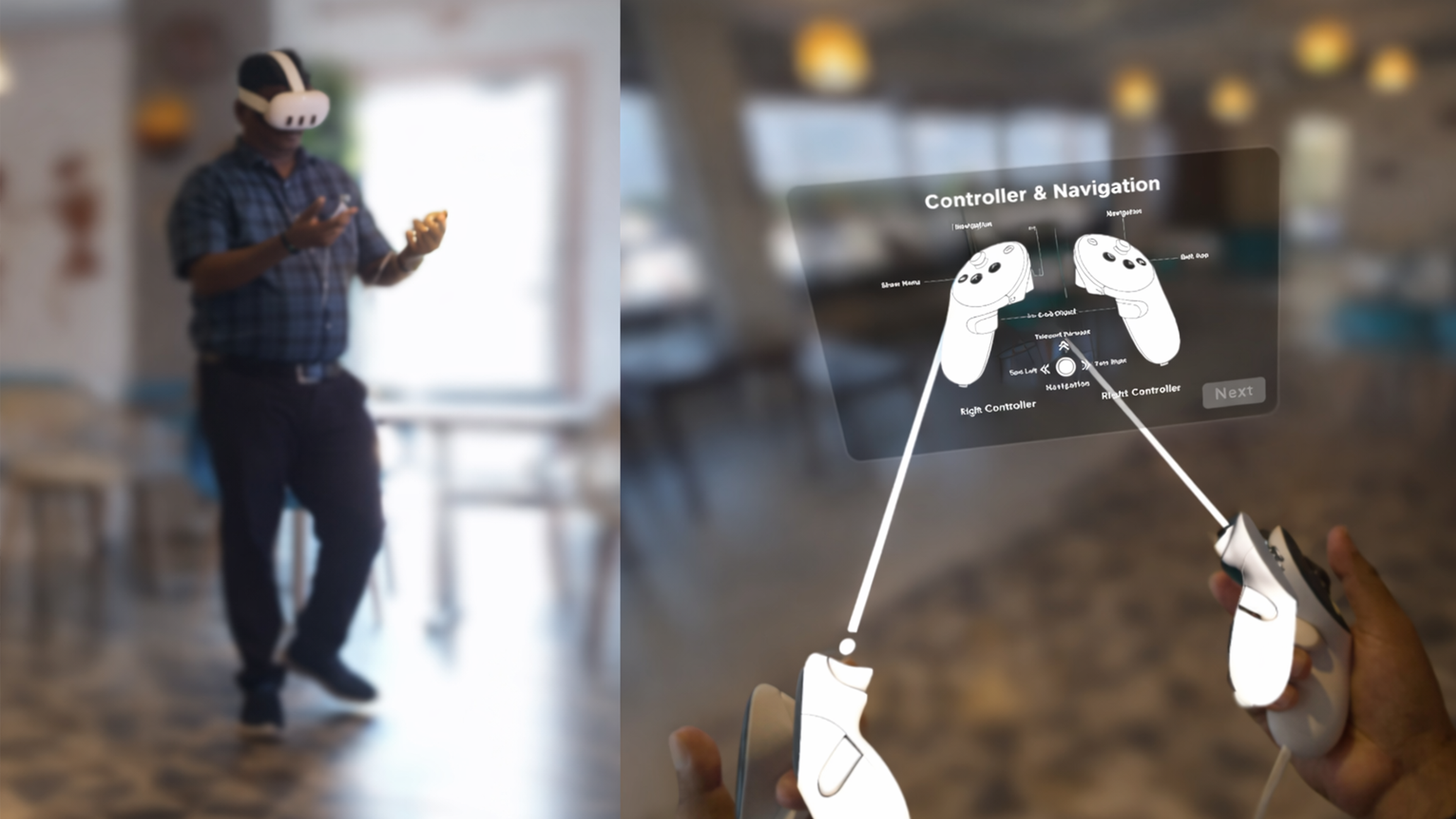
VR and AR are often seen as emerging or experimental technologies. In reality, they are already being used in very practical ways especially when products are complex, physical, or hard to explain through traditional media.
The real value of VR and AR is not in novelty, but in how they improve understanding across marketing, development, and sales.
VR and AR in Product Marketing
Product marketing is about helping customers understand what a product is and why it matters.
Traditional marketing tools images, videos, brochures are effective, but they remain one way communication. VR and AR introduce interaction.
In marketing contexts, AR and VR help by:
- Showing products in 3D instead of static images
- Allowing users to explore form, scale, and details
- Creating stronger engagement without heavy explanation
- Reducing the gap between interest and understanding
For physical and technical products, this often leads to better informed prospects, not just more impressions.
VR and AR in Product Development
During development, teams spend significant time explaining designs to each other. Misunderstandings at this stage can lead to rework later.
VR and AR support development by:
- Visualizing concepts and assemblies more clearly
- Helping teams review proportions and spatial relationships
- Supporting early design discussions and reviews
- Creating shared understanding across design and engineering
Used this way, VR and AR act as review and alignment tools, not replacements for CAD or engineering documentation.
VR and AR in Sales
Sales conversations often fail not because the product is weak, but because it is hard to explain quickly.
In sales scenarios, VR and AR help by:
- Demonstrating products visually instead of verbally
- Showing scale and placement in real environments
- Supporting discussions during meetings and site visits
- Reducing reliance on lengthy explanations and PDFs
Sales teams can focus more on requirements and decisions, rather than interpretation.
One Technology, Different Roles
The same VR or AR system can serve different purposes depending on context:
- Marketing: attract interest and improve clarity
- Development: review, discuss, and validate ideas
- Sales: explain, demonstrate, and support decisions
The value comes from using the right level of interaction at the right stage, not from overusing the technology.
VR vs AR: A Practical View
- VR works well for immersive reviews, virtual walkthroughs, and controlled environments.
- AR works well when real-world context, scale, and placement matter.
Both are tools. The choice depends on the problem being solved.
What Matters More Than the Technology
Successful VR and AR experiences depend on:
- Accurate 3D models
- Clear purpose (marketing, review, or sales)
- Simple interaction design
- Easy access for users
Without these, even advanced technology adds friction instead of value.
Final Thought
VR and AR are not separate from product workflows they are becoming part of how products are understood and discussed.
When used thoughtfully, they don’t replace existing processes.
They reduce explanation, improve clarity, and speed up decisions.
Considering VR or AR for Your Product?
If your product is hard to explain through images or documents alone, VR or AR can support marketing, development, and sales when applied with a clear purpose.